
Behind the Frame: Preparing Three Prints for Gallery Display
Spending hours in the field, composing shots that tell a story and help people connect with the wild side of nature sounds good in theory. But sometimes, spending that time, and occasionally years, to get the shot is the easy or most enjoyable part. Sometimes, the real struggle is sharing those stories and getting them out to the people who might enjoy them. Posting online can only go so far, and reaching new audiences can be incredibly difficult when algorithms pigeonhole what people see.
That is where art shows, galleries, and local exhibitions come into play. Over the last year, I’ve really tried to scout out local opportunities to display my work, hoping to connect locals with our wild neighbors and foster a sense of wonder and appreciation for the creatures we share our space with.
"She Who Tells a Story" at the Highlands Art League
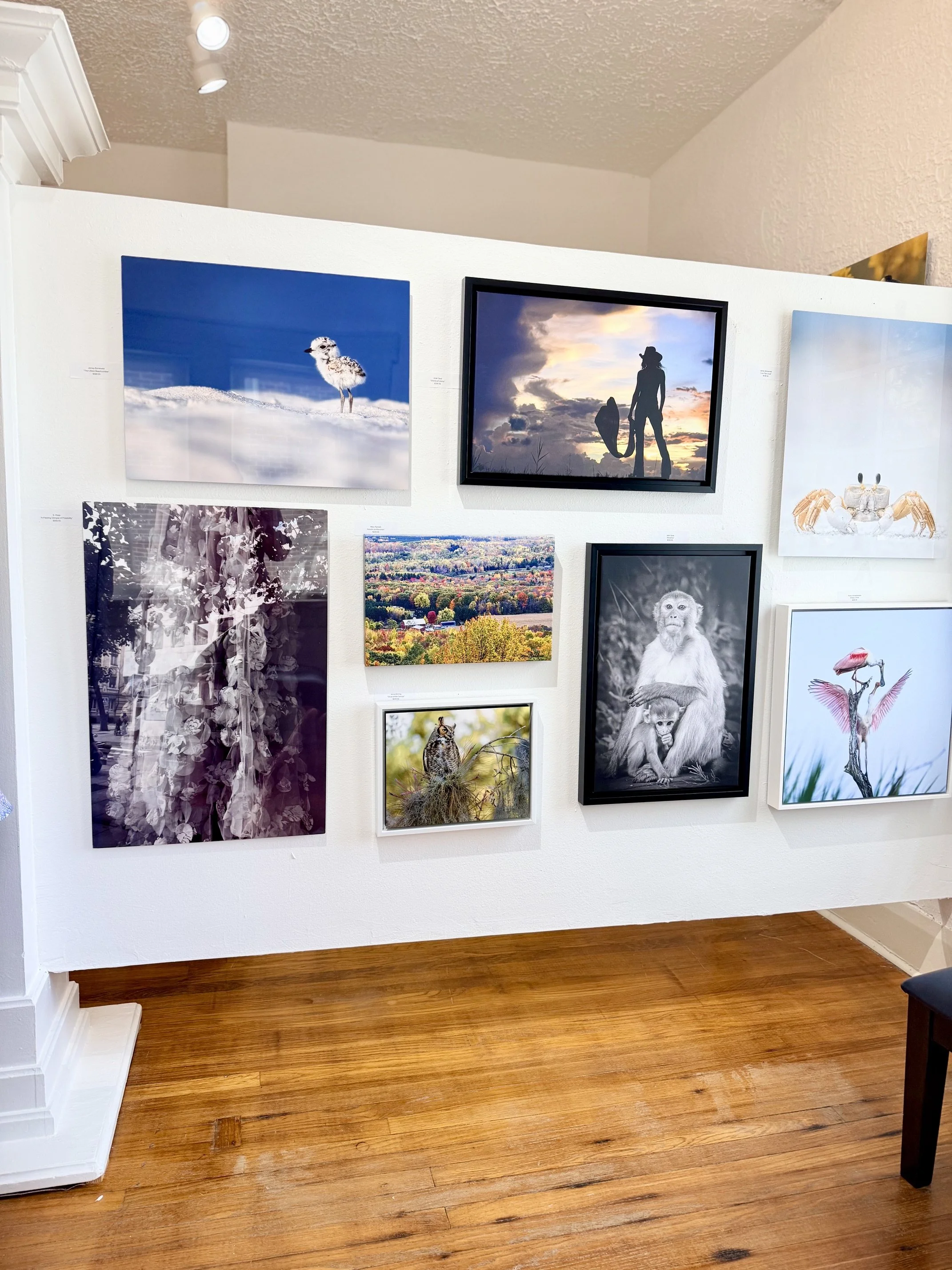
One of this year’s opportunities was offered was through Women’s Photography Circle - Florida Women Photographers chapter. I am honored to share that I submitted three photos to this year's "She Who Tells a Story" exhibition hosted by the Highlands Art League Museum of the Arts (MOTA) in Sebring, Florida, and all three were selected for the show!
This annual exhibition celebrates the incredible work of women photographers, bringing together visual narratives from across the region. This was my first time entering but I have heard the collection gets better every year! If you are local to Central Florida or looking for a wonderful weekend road trip, the exhibit is running through October 30th in Sebring, FL. It is an amazing gathering of talent, and seeing these wildlife moments displayed in a physical gallery space can provide an entirely different experience than viewing them on a screen.
Choosing the Images
Choosing what images to enter into an exhibition can be extremely difficult. You never really know what will connect with others, and trying to view your own photos without bias is a challenge after spending hours producing them and observing the subjects. You naturally develop a deep love for a particular shot based on the time and patience invested in the field.
When displaying work in a gallery, however, viewers are often introduced to the subject for the first time. They do not get the entire backstory, and the photograph has to speak for itself.
Having experienced one of my best years for photography, I had quite an array of images to choose from. To make things simpler, I narrowed my options down to images I already had available in hand and printed. While setting up my website this year, I ran a series of print tests for the photos I offer as fine art prints in my shop. To ensure top-tier quality, I experimented with different materials, whether paper, metal, or canvas, and whether pre-framed or otherwise. Relying on these pre-tested pieces meant I didn't have to scramble to get a new image ready with the printer, taking a significant level of stress off my shoulders.
Here are the three pieces selected for the exhibition:
"Ghost in the Canopy"
Owls are a favorite subject for both photographers and viewers. Here in Central Florida, they are one of the main subjects I specialize in, with at least three months dedicated to them every single year throughout the late winter and spring seasons.
While I had plenty of favorites from this past nesting season, I wanted to select something a bit more unique and an image where the owl isn't the only subject within the frame. This particular great horned owl was harassed out of its daytime resting spot by a group of local crows, giving away its location while I was busy photographing river otters. Usually, owls are pretty good at ignoring pestering visitors, but this individual had had enough and flew off in search of some quiet. I tracked its line of flight as it zipped through the canopy, and when it landed, another subject revealed itself.
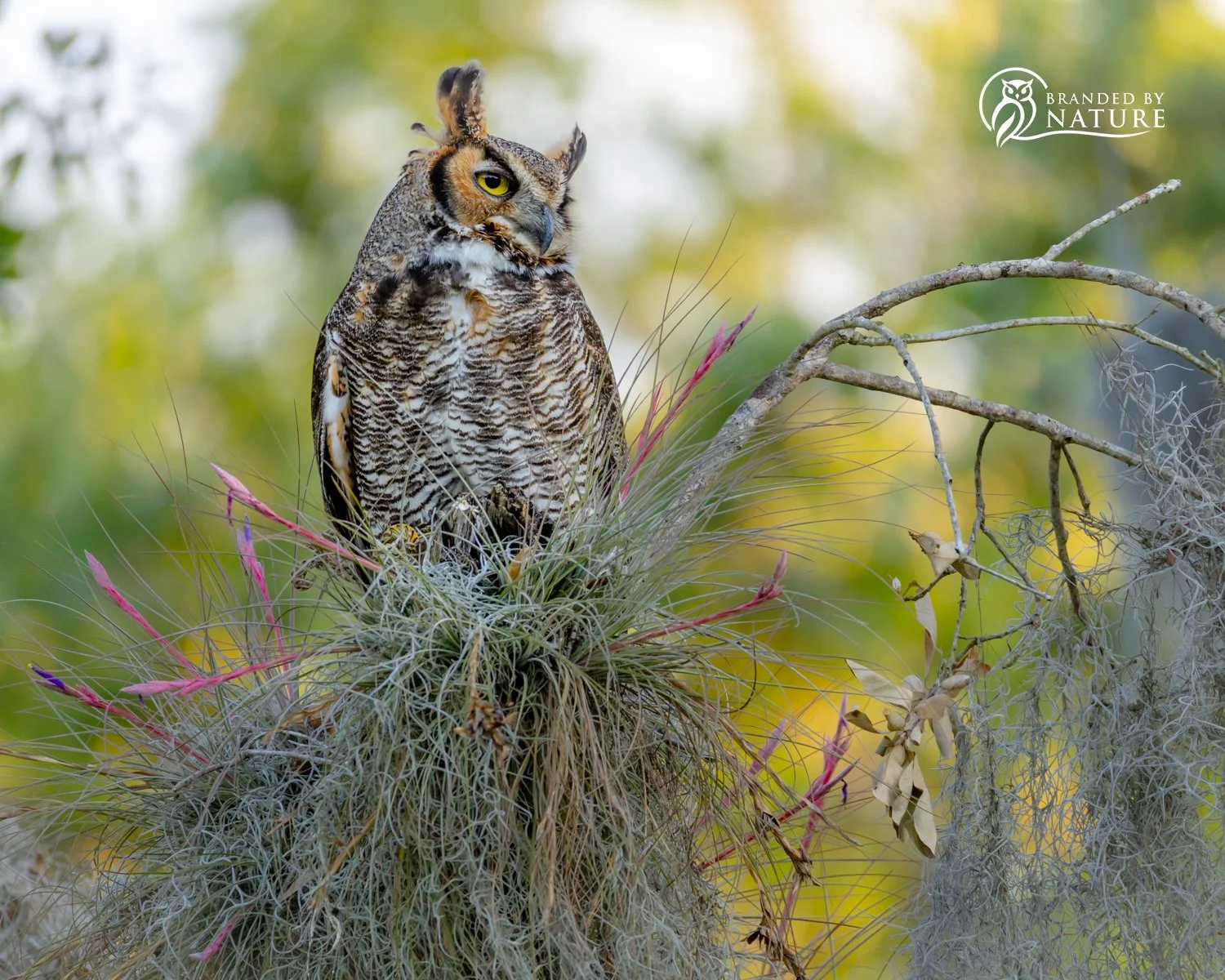
The owl's chosen perch was a roadside oak tree, right beside a blooming wild bromeliad. Bromeliads are a vital part of our local ecosystem, acting as miniature aquatic habitats that store rainwater in their tightly overlapping leaves to support everything from tree frogs to insects. Capturing this handsome owl resting on a delicate bloom surrounded by soft, pastel pinks and purples created a remarkably calming image.
This exhibition marks its very first time on public display.
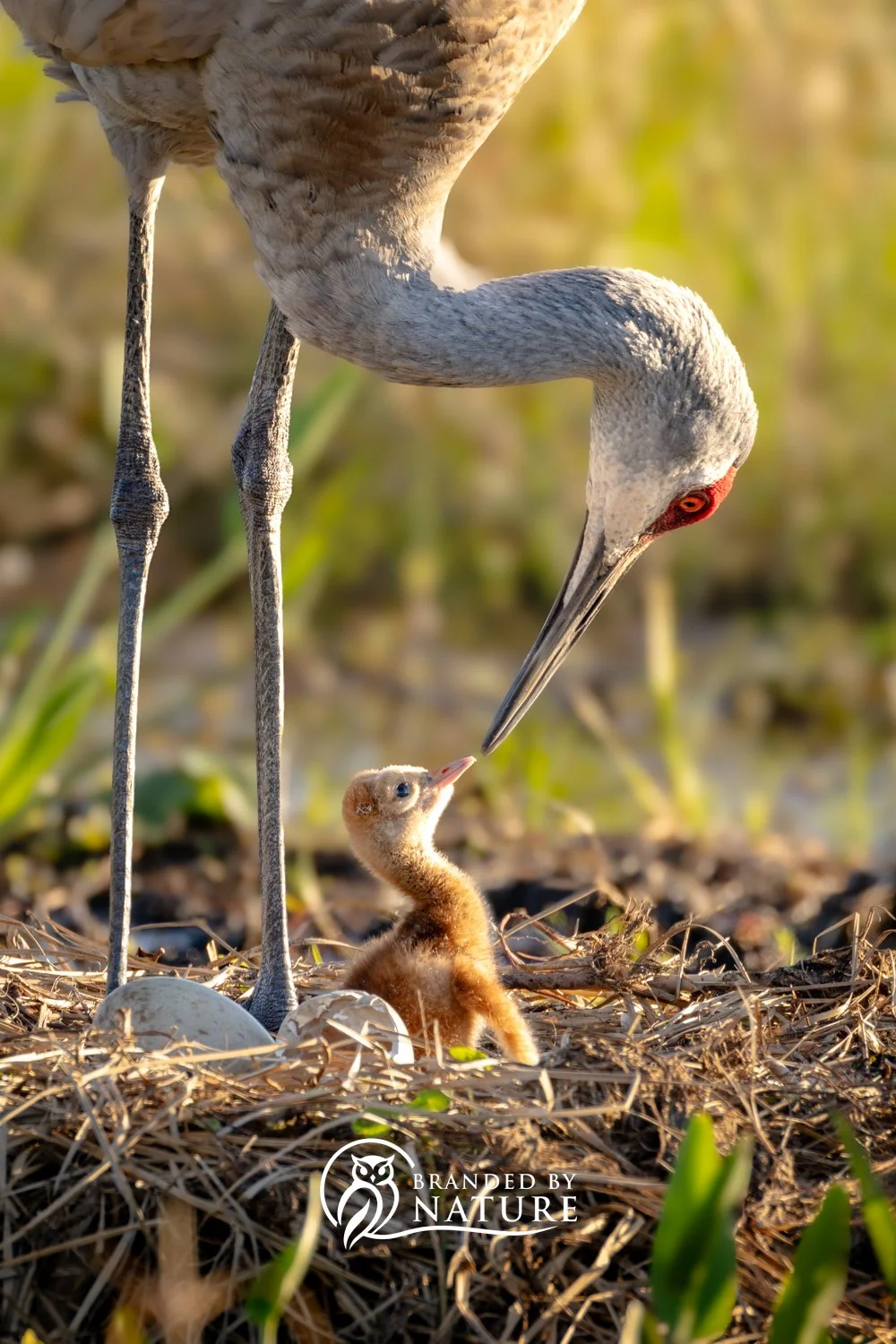
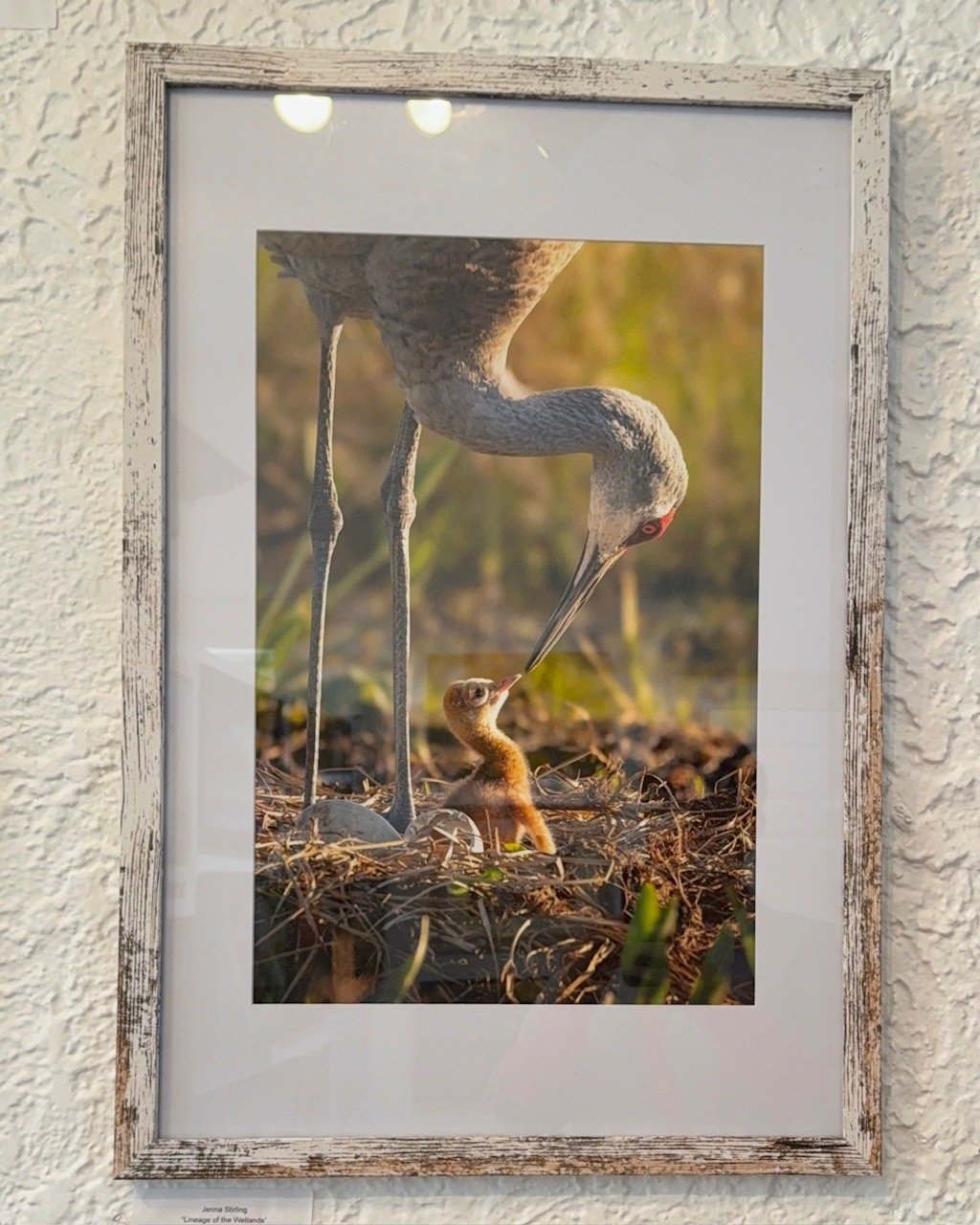
"Lineage of the Wetlands"
As you look at the subjects of each selected photo, you might notice a theme: each features animals I dedicated a significant amount of time to over the last couple of years, often tracking them from late winter through spring’s nesting season and into summer.
This image was captured in 2025 during my first year actively focusing on sandhill crane nesting cycles. By monitoring incubation times with a local pair, I was able to visit weekly right up to the expected hatch dates—a deeply immersive experience that I explored further in my Sandhill Season blog post. This not only allowed me to test different compositions and angles from a safe, respectful distance, but it also ensured I was fully prepared when the colts finally arrived.
This photo was taken when the chick was approximately six hours old, while the parents were still rotating the second egg (which typically hatches 12 to 24 hours after the first). The first colt was already eager to explore but still very wobbly. This shot captures a brief, tender moment when the colt peered up at the adult tending the nest, offering a glimpse into the fierce dedication and delicate nature of these birds.
This piece has been previously displayed at the Elliot Museum earlier in the year and it only felt fitting to close out the year with it on display once more.
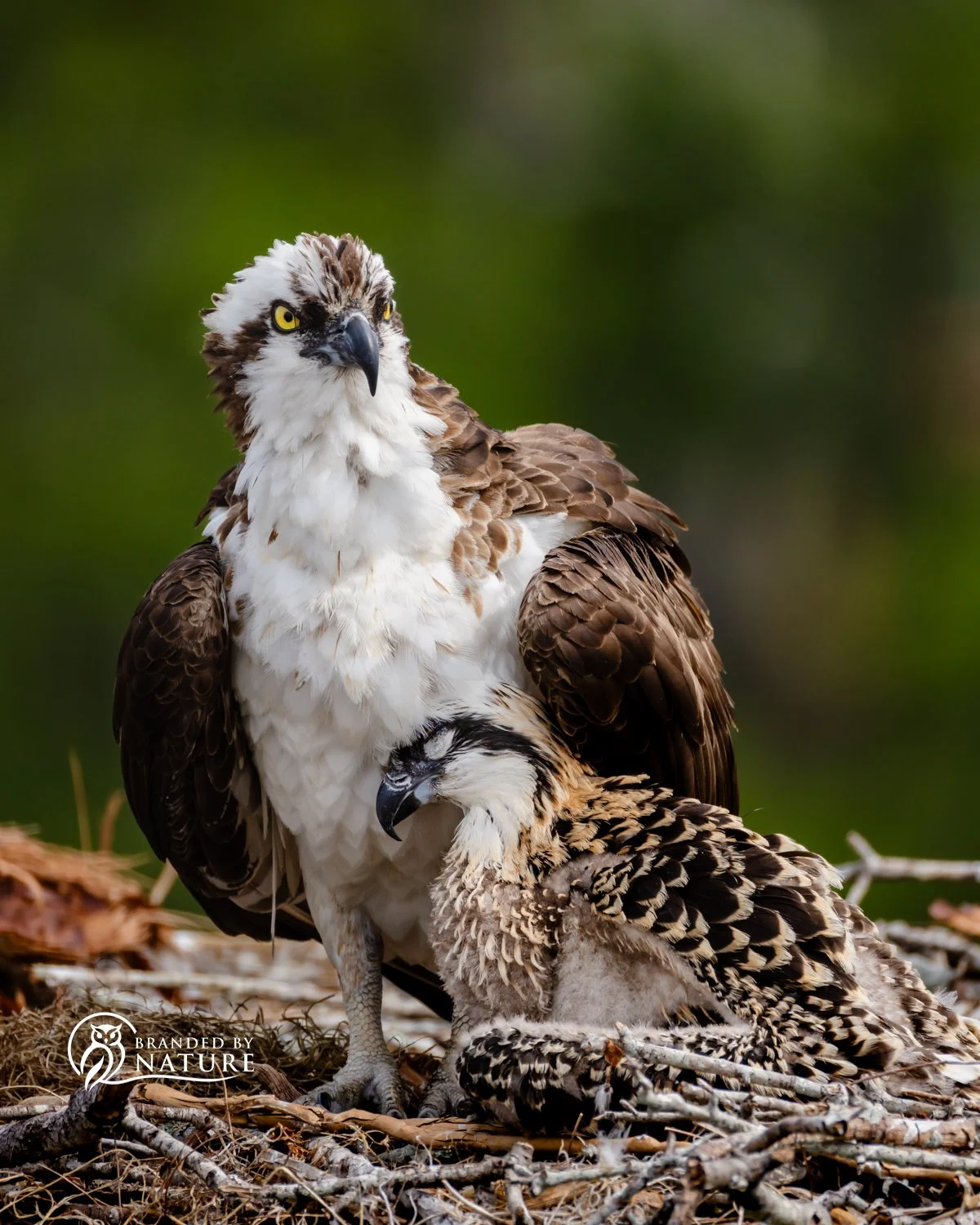
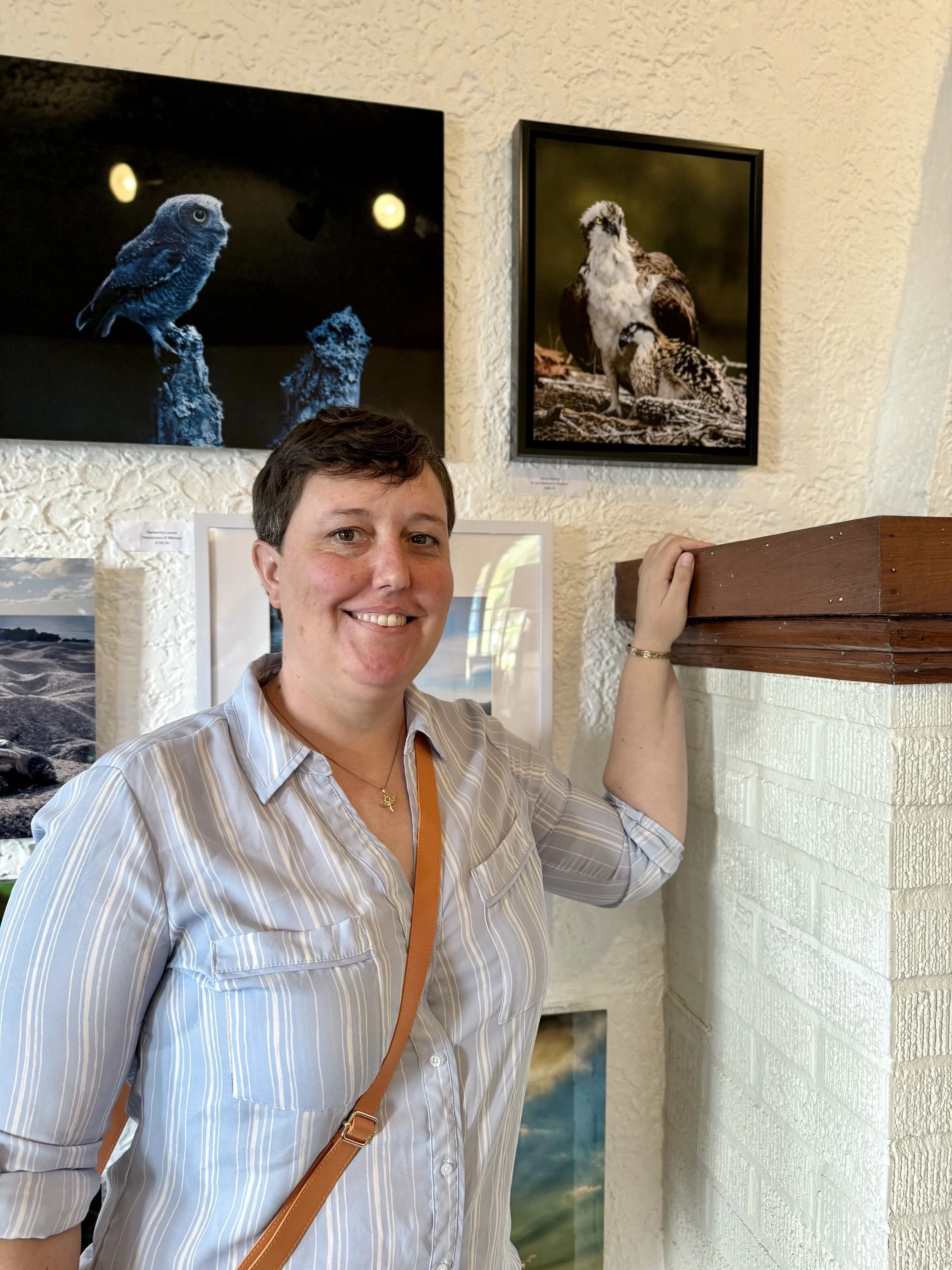
"In the Shadow of the Matriarch"
For the final piece, I turned to my recent project chronicling an 8-week journey at an osprey nest—a deeply rewarding endeavor for me that captured everything from the tiny, wobbly hatchling looking like angry chickens to a fierce aerial predator.
As detailed in my recent story, The Osprey Chronicles: 8 Weeks at the Nest, this particular frame is one of my absolute favorites. It captures a quiet, tender moment right after a meal when the growing chick tried to tuck itself back under its mother's chest for comfort and shade, just as it had done weeks prior, but it didn't remotely fit anymore. Seeing that oversized baby cozied tightly against its mother's chest captures the endearing heart of the whole project.
This exhibition will be the very first time this image is shown on public display.
Selecting Materials and Framing for Exhibition
Now that the images were selected, choosing the material and size options was straightforward since I was working with pre-tested prints. However, material selection is critical for juried exhibitions. I have found that judges can often be drawn to the perceived value of an image, sometimes favoring sleek metal pieces when selecting winners but to get in the exhibition itself, I haven’t found any limiting trends.
That said, not every image works on metal, and for everyday display in a home, metal doesn't always offer a "homey" vibe and can feel unpolished or unfinished quite quickly. However, metal brings an incredible pop and vibrancy to particular images—especially scenes rich in color, like the owl perched among the bromeliad blooms. To give metal a professional, finished presentation, I only offer metal prints fully finished and framed. Here is the breakdown I chose for each:
The Owl ("Ghost in the Canopy"): Printed as a standard gloss metal on a white base to make the rich pinks and purples pop, finished in a smooth white frame for a clean, modern appearance.
The Osprey ("In the Shadow of the Matriarch"): Also printed on metal, but I wanted to test a different surface. Traditional gloss metal prints can produce intense glare that limits where they can be hung. To solve this, I tested a matte metal finish housed in a sleek black frame. It successfully removes distracting glare while maintaining sharp detail, though this medium is more subtle.
The Sandhill Crane ("Lineage of the Wetlands"): Printed on a high-end, cotton rag photo paper. This remains my tried-and-true personal favorite. While rag paper can slightly soften colors compared to metal, its rich texture brings an unmatched element of tactile realism to the print. I always prefer to custom-mat these pieces before framing to create a timeless, fully finished presentation.
Visit the Exhibition & Join the Conversation
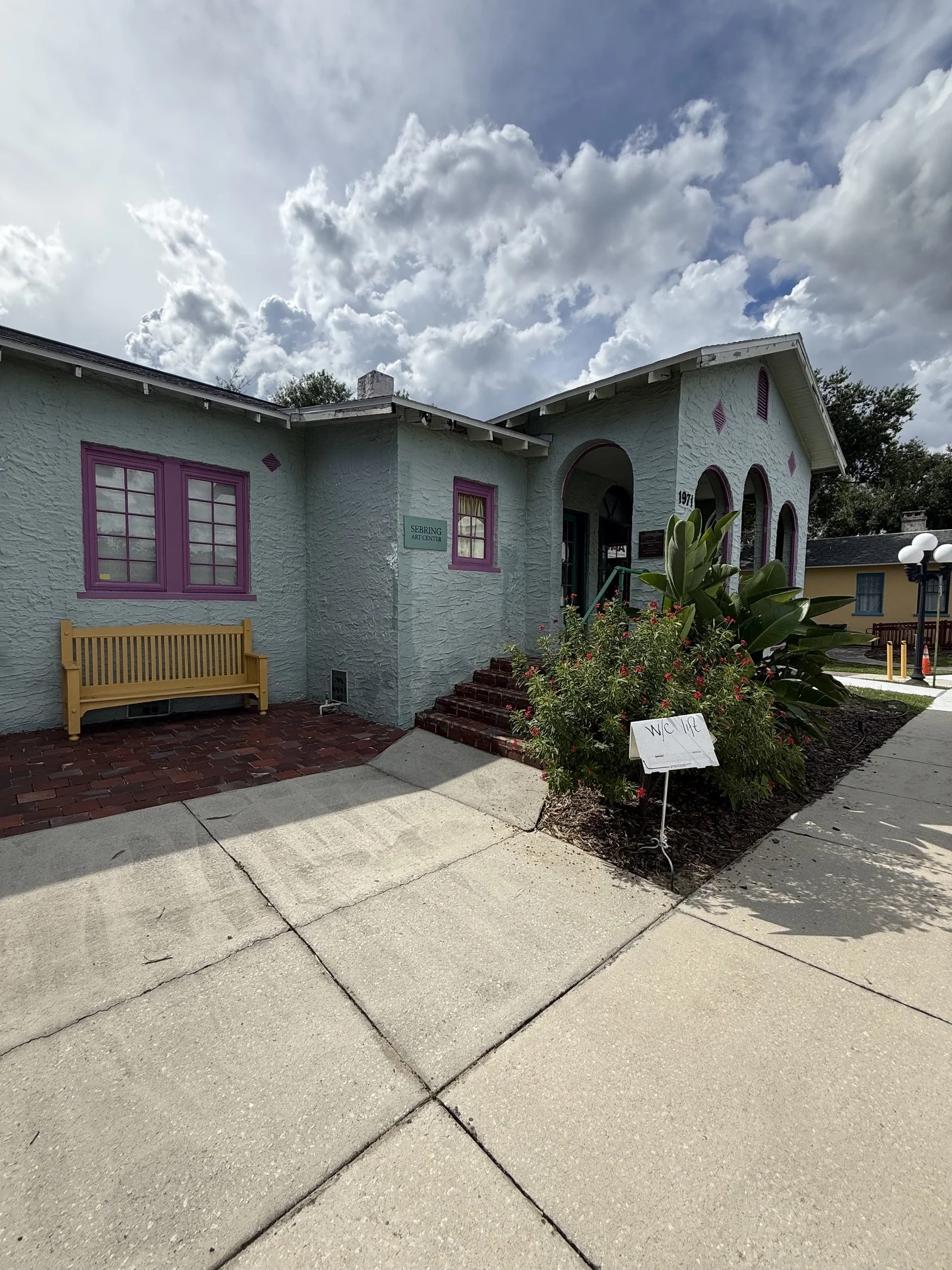
If you are local to the Sebring area or visiting the Highlands Art League Museum of the Arts, you can view these three pieces in person through October 30th!
I’d love to hear from you in the comments below:
Do you prefer experiencing art in person at galleries, or do you enjoy curating a gallery wall at home? When it comes to decorating your space, do you gravitate toward the crisp vibrancy of metal prints or the classic texture of fine art paper?
Want to bring a piece of nature home with you? Explore my complete Fine Art Print Shop to browse the collections featured in this exhibition! Don't forget to subscribe to our community newsletter below for behind-the-scenes field updates and early-bird release notifications.