
Summer on the Sarasota Shore: Photographing Florida’s Beach Nesters
As the typical spring months draw to a close, many people assume wildlife baby season is wrapping up. But while hundreds of thousands of summer visitors flock to the coast, a much more extraordinary event is unfolding right along the Florida shorelines.
Fresh off my spring trip to Yellowstone, I was eager to keep my photography momentum going. Feeling inspired and hoping to document the resilience of coastal wildlife, I committed to a month-long project: making weekly trips throughout June to document nesting shorebird colonies on Florida's Gulf Coast.
Living a few hours away and not having luxury of taking overnight stays meant a 5-to-6-hour round-trip drive for just a few hours of shooting each weekend. My planning had to be precise. I meticulously tracked tide charts and daily weather patterns to avoid severe afternoon thunderstorms and ensure the best conditions when I arrived. Over five separate trips across four different beaches near Sarasota, the journey proved to be as challenging as it was rewarding.
Life on a Crowded Shoreline
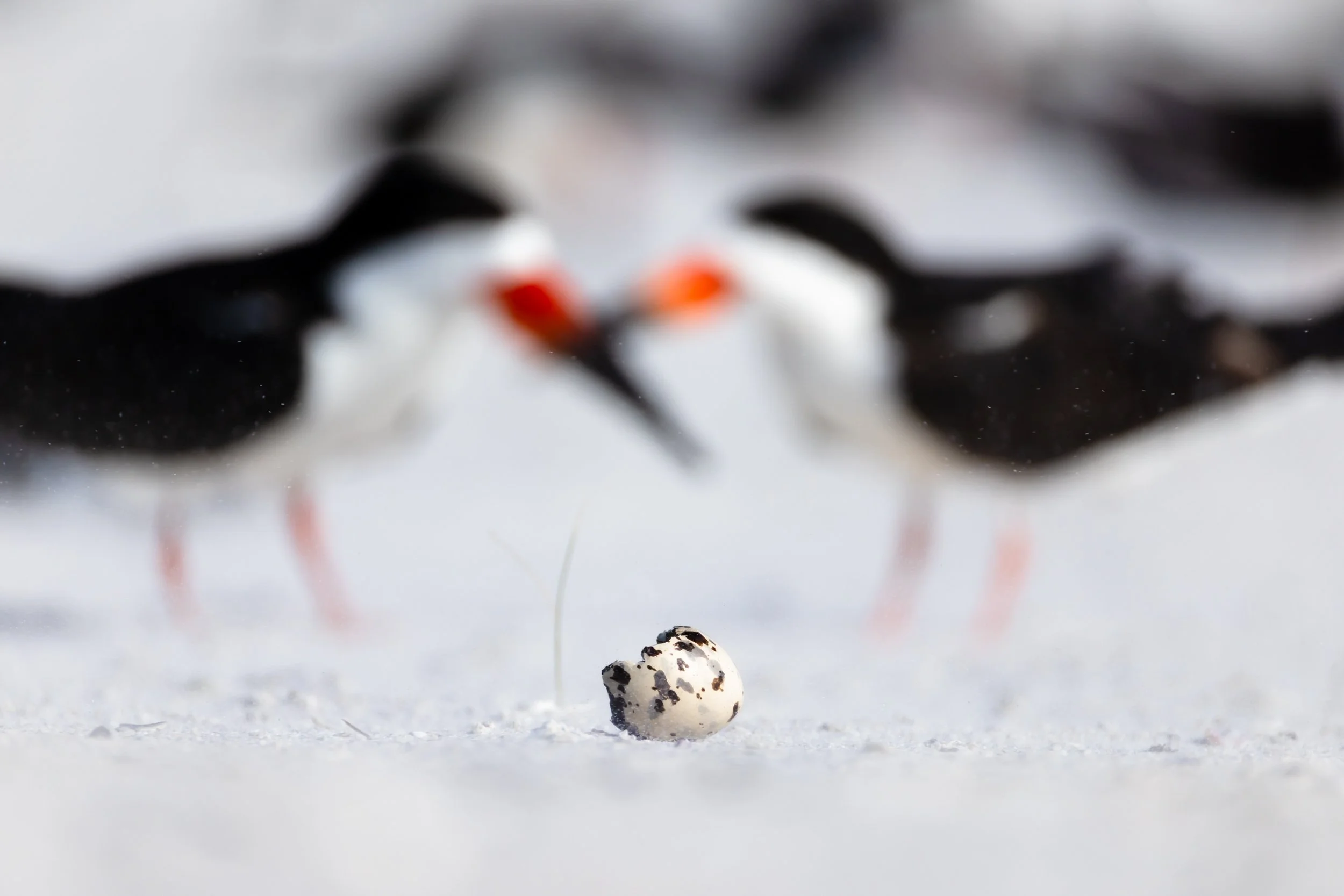
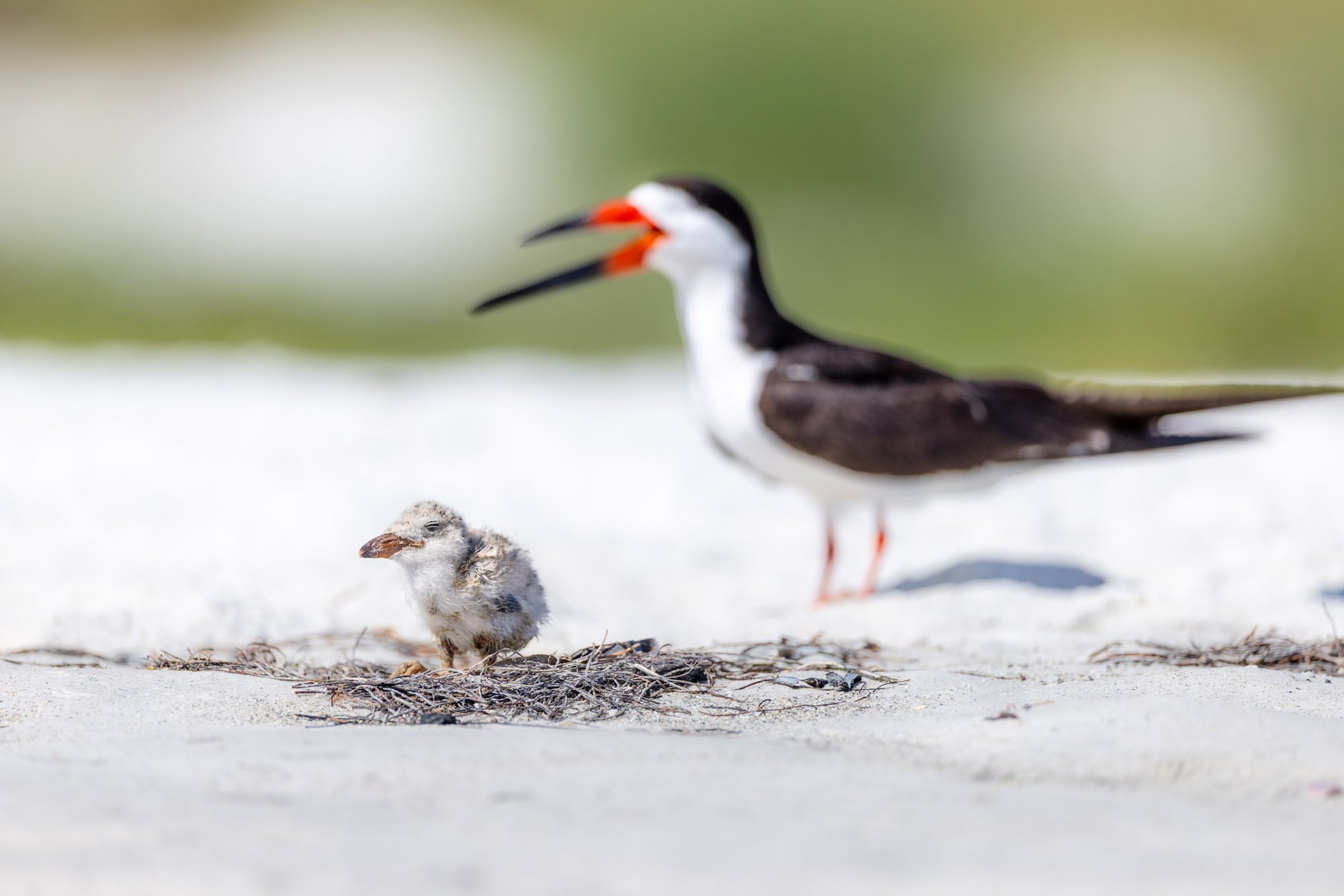
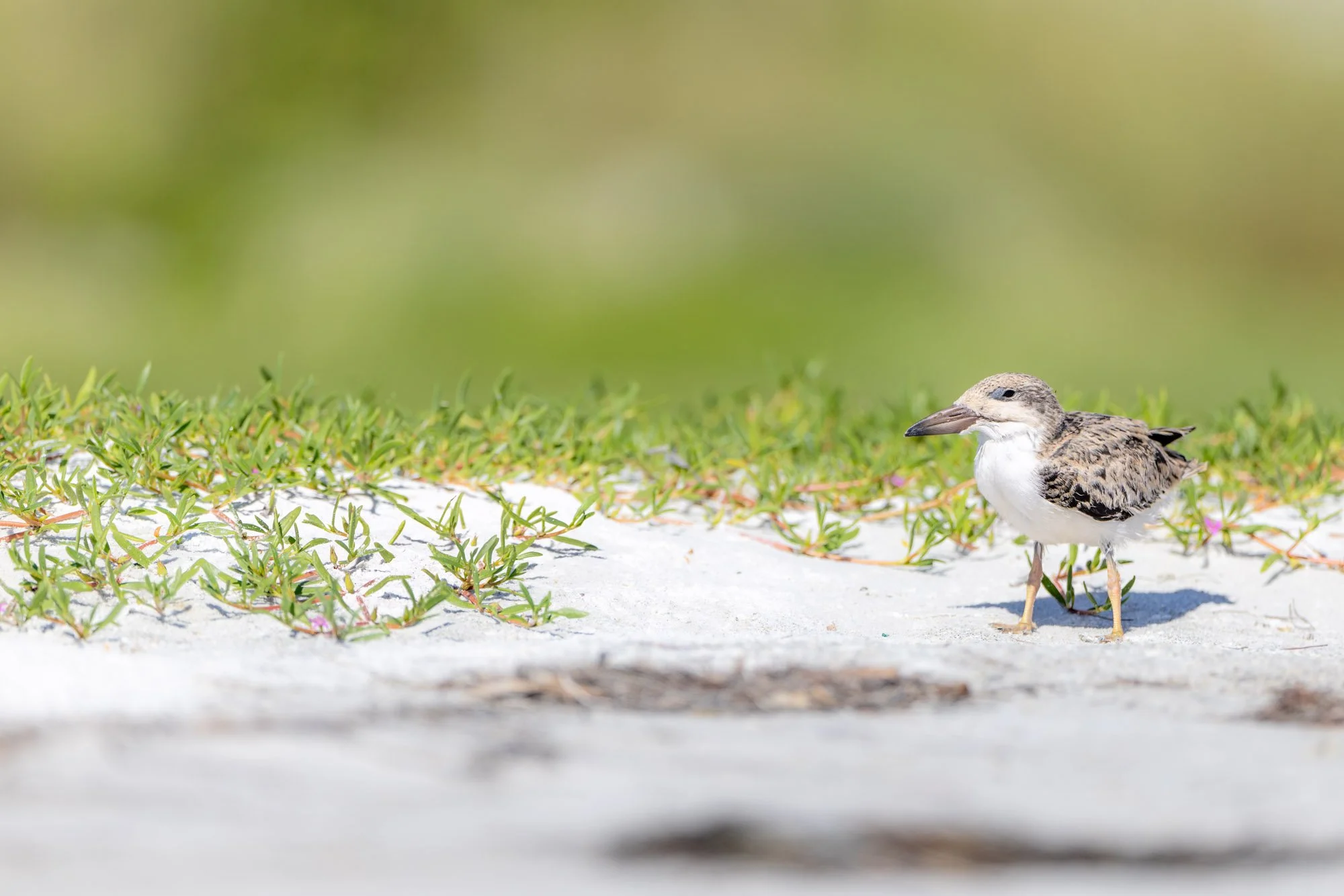
Visiting the first colony early in the season, it was hard to imagine how these tiny chicks survived. Nesting in small, roped-off sanctuaries surrounded by beachgoers and coastal activity, these beach-nesting birds face incredible odds.
Beyond natural challenges like high tides flooding nests and pushing colonies back toward the dunes and natural predators like crows and seagulls these birds share their breeding grounds with thousands of humans. The first colony I visited was also subject to human interference early in the season, when two individuals (who have since been charged) dumped roughly 1,500 mothballs across St. Pete Beach to deter the nesting birds. Despite the daunting environment, these resilient birds manage to thrive, supported by dedicated Audubon volunteers who monitor the colonies, adjust the roped off boundaries and educate curious visitors.
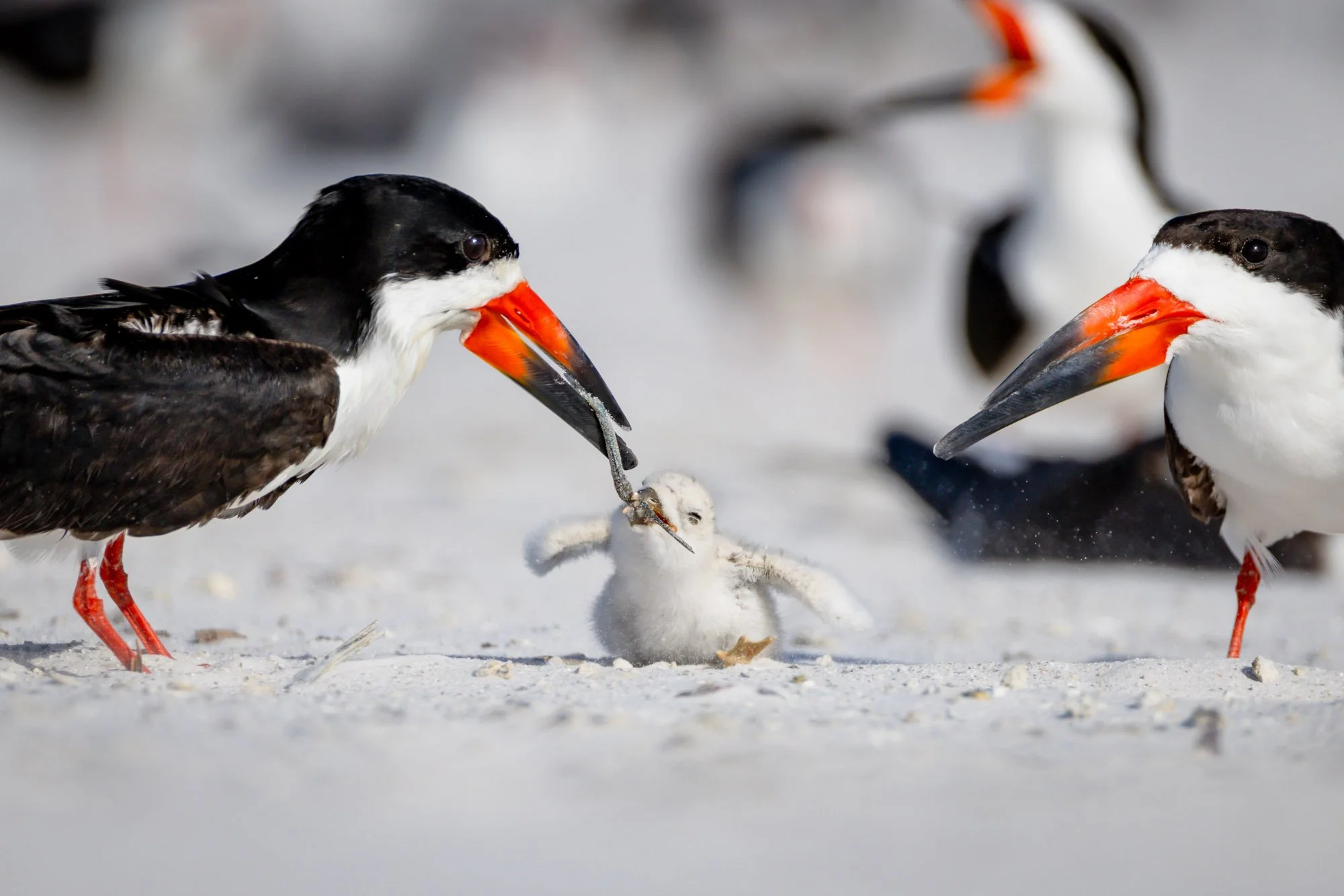
The Magic of the Colony: Skimmers & Terns
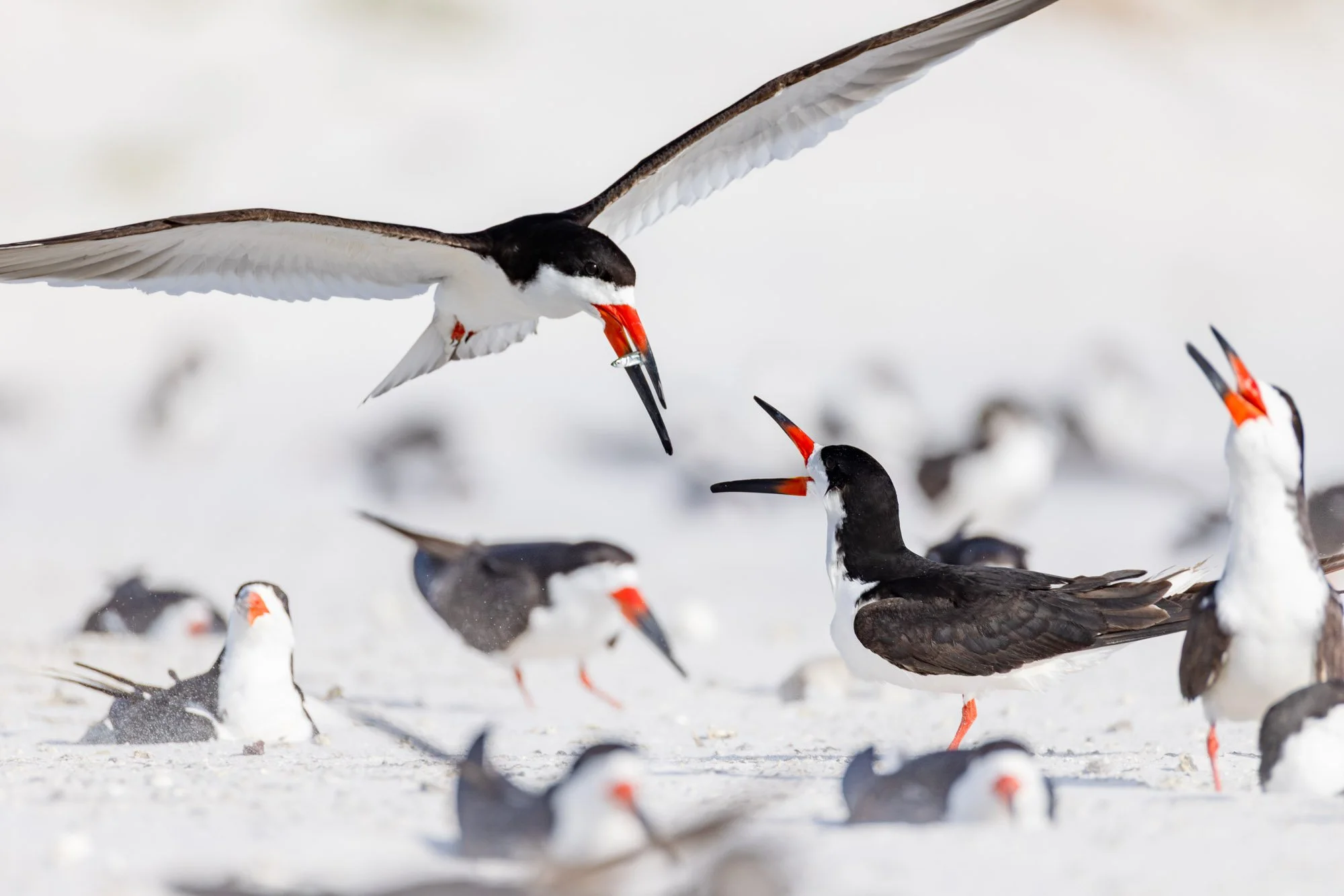
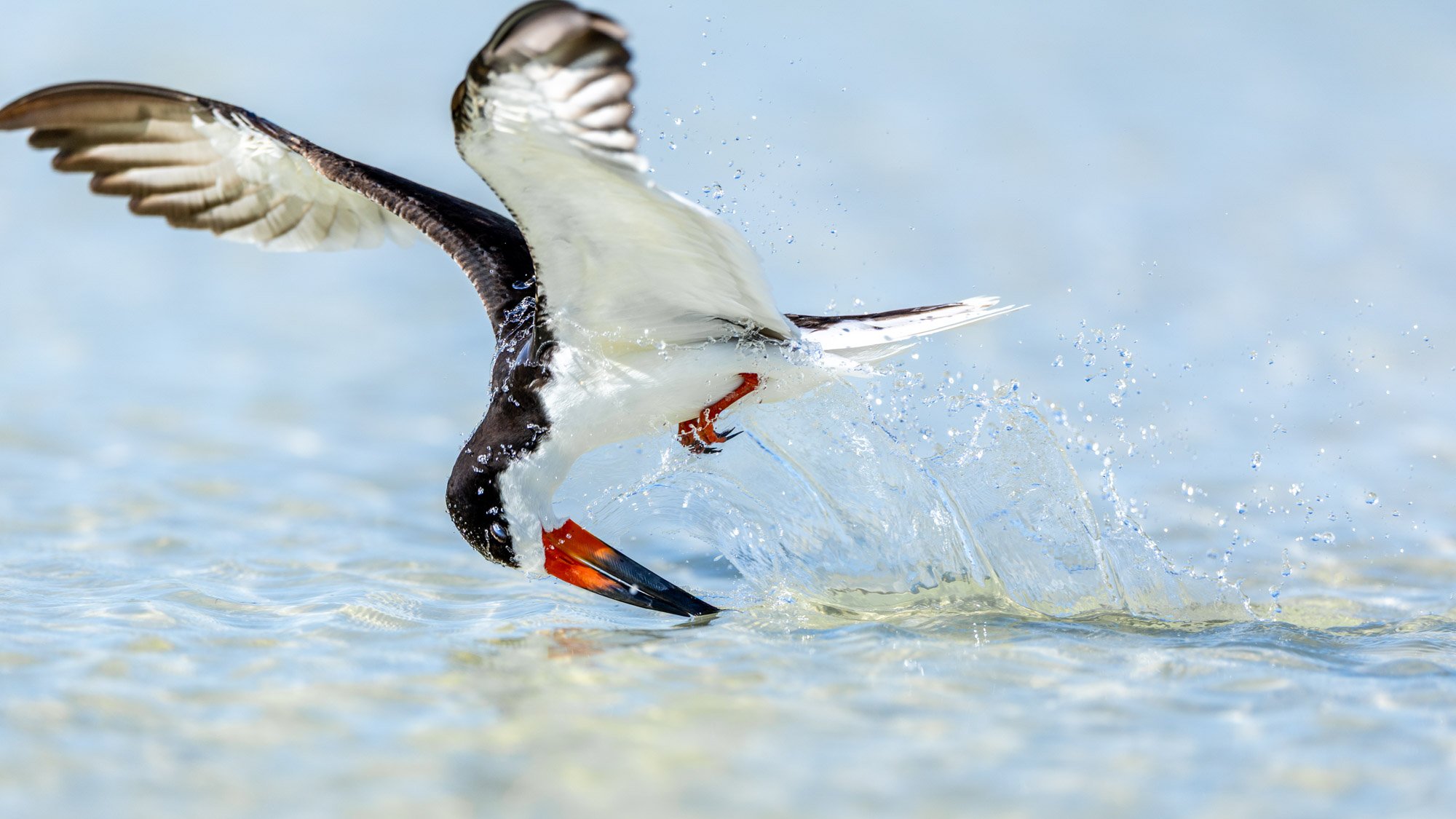
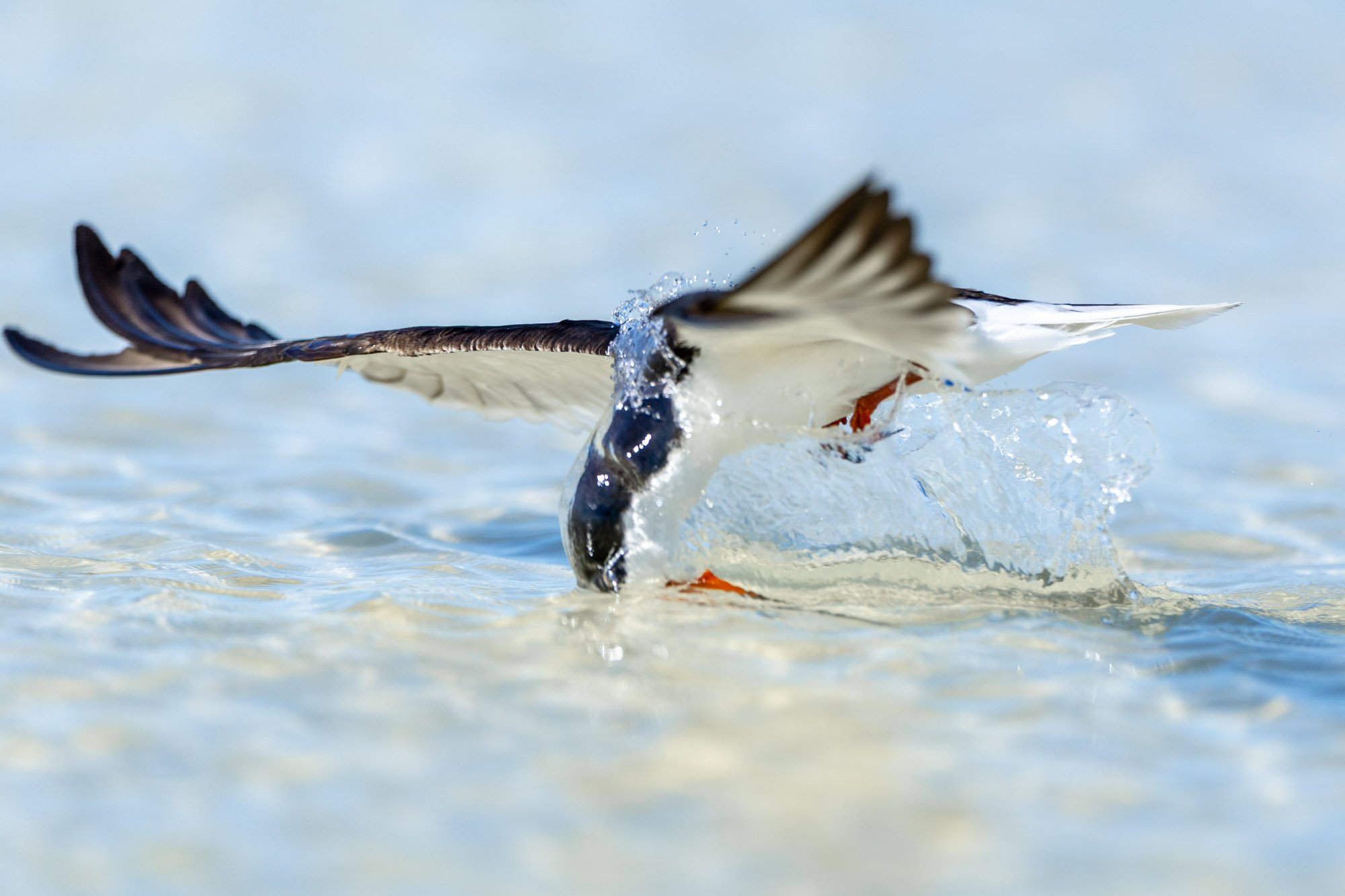
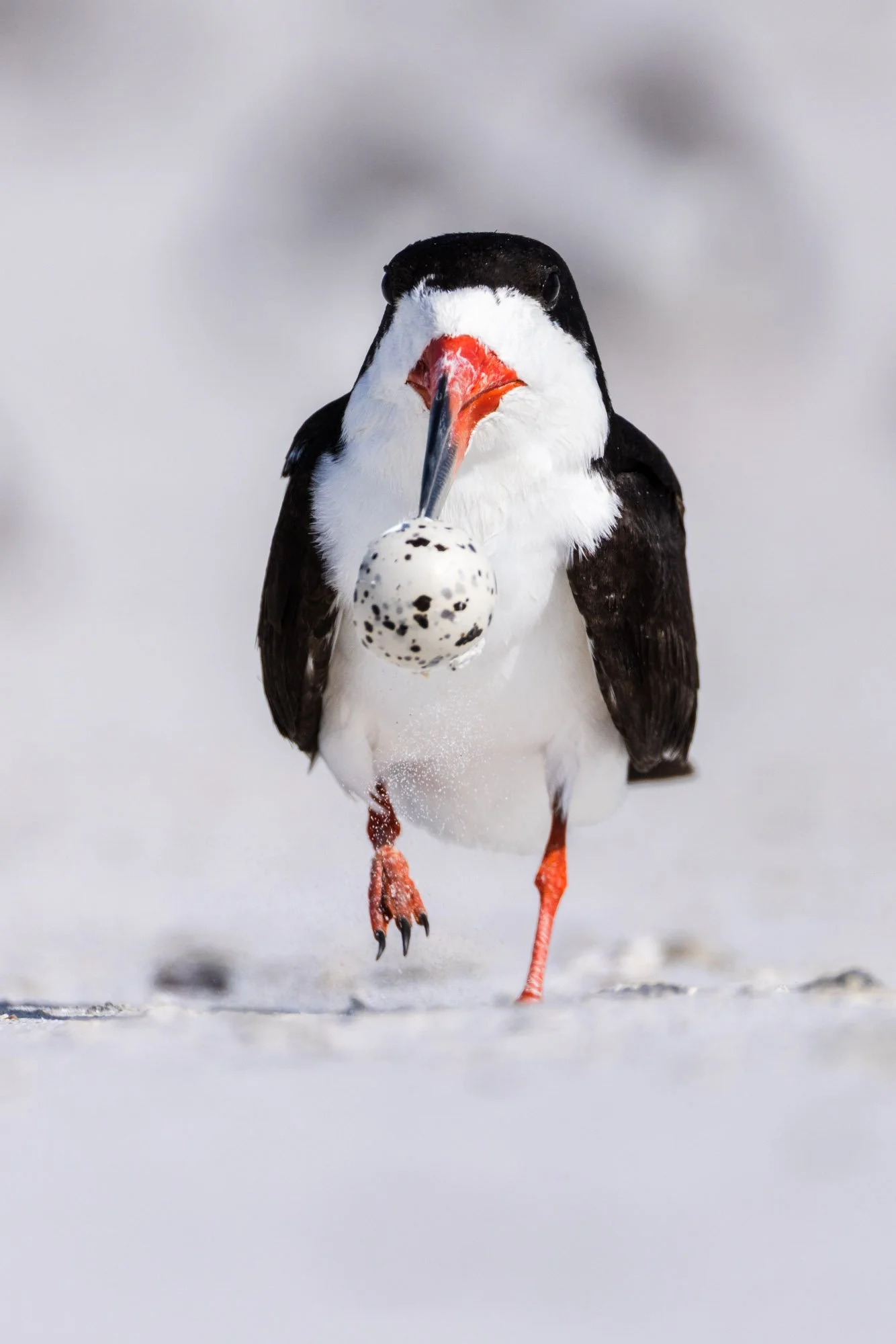
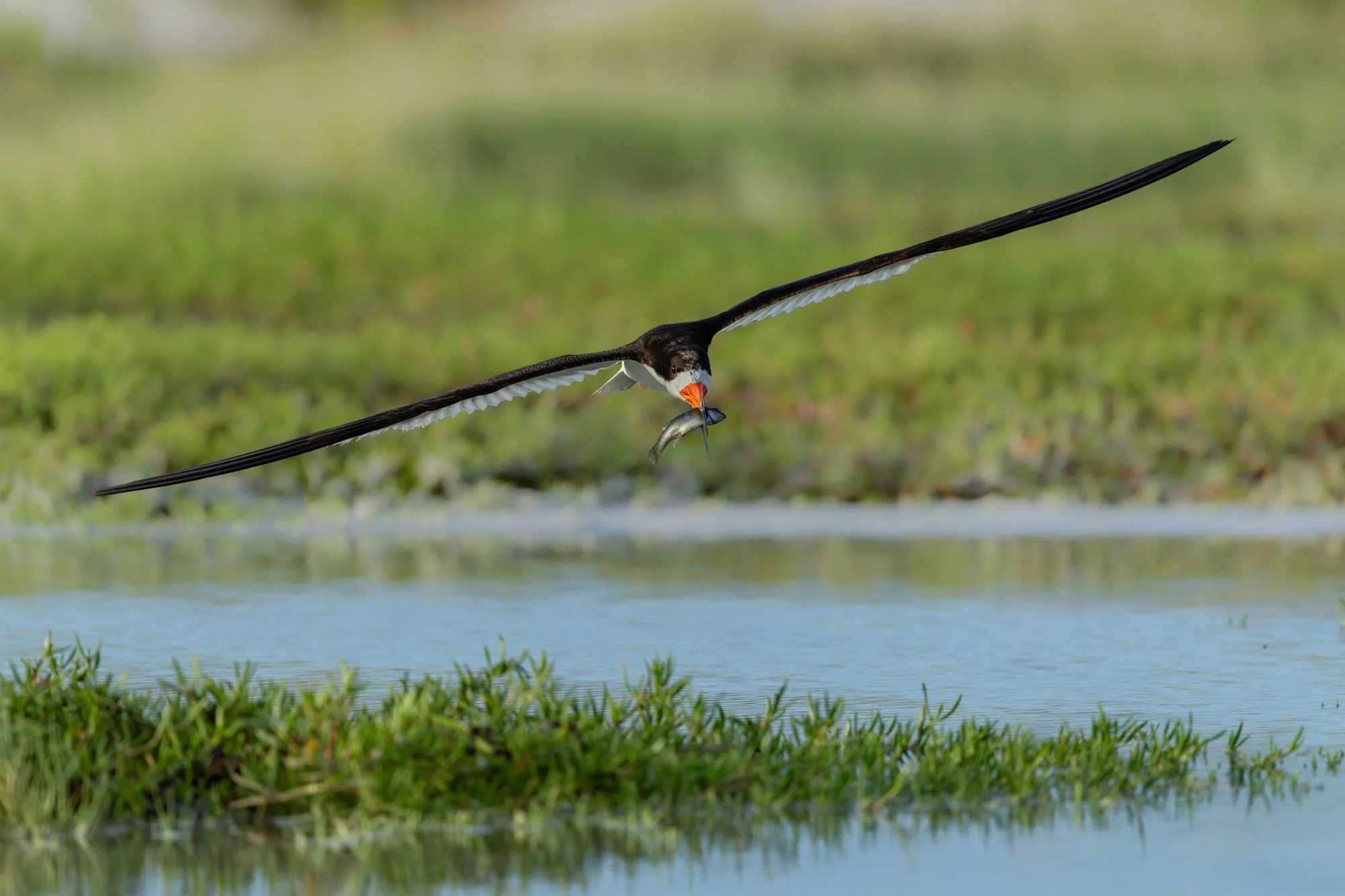
During each visit, Black Skimmers were my primary focus. Sitting on the outskirts of the colony to observe parents returning with fresh fish, it was impossible not to fall in love with them. With their quirky calls that sound like a pack of tiny puppies barking, paired with their iconic skim-feeding technique, they are among the most dynamic subjects for Florida wildlife photography.
““Sitting down on the outskirts of the colony with their quirky calls sounding like a pack of tiny puppies barking, it was impossible not to fall in love with them.””
During my visits, I also explored nearby areas where smaller Least Tern colonies were established, catching fleeting glimpses of chicks and parents darting in and out.
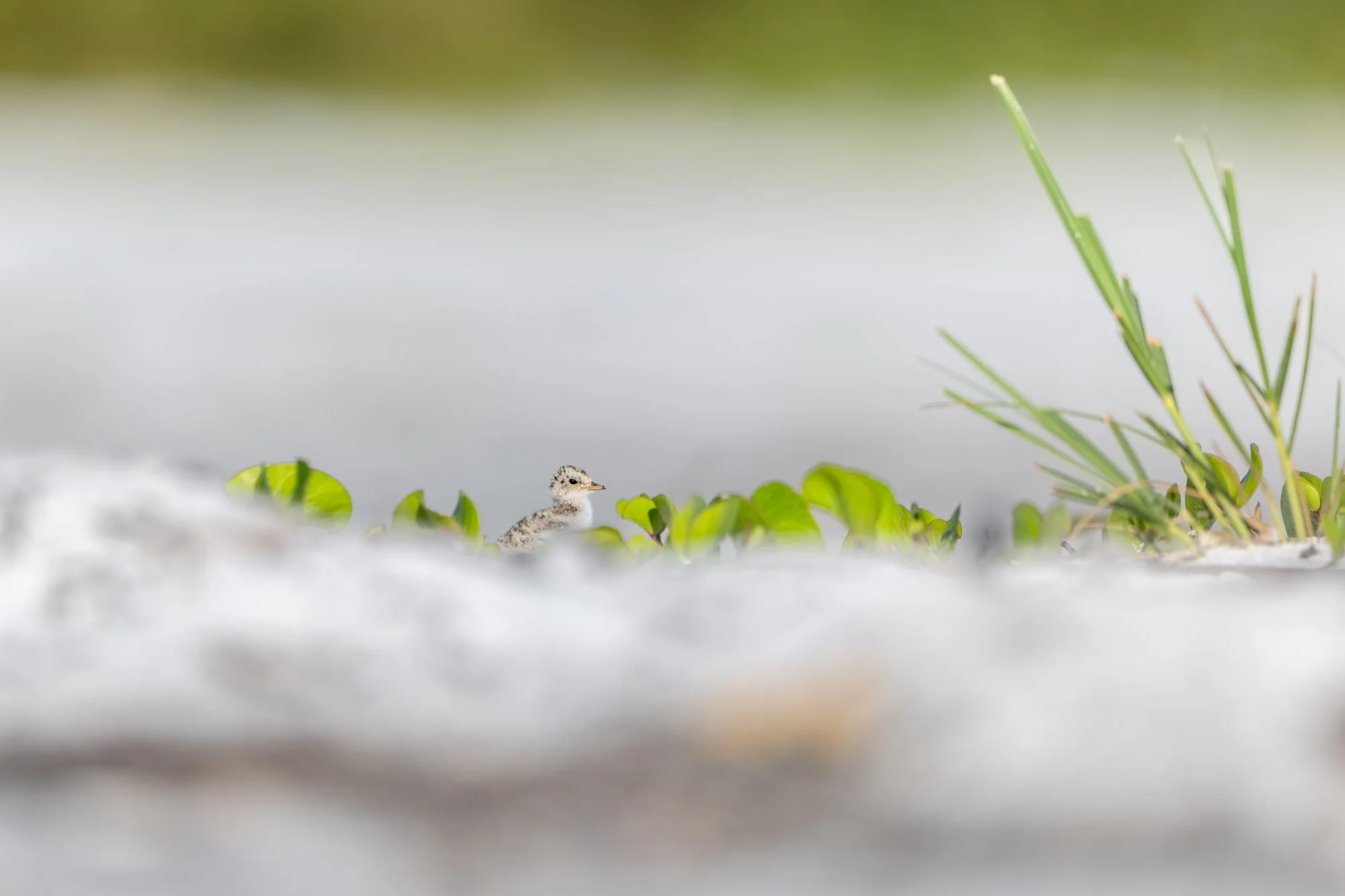
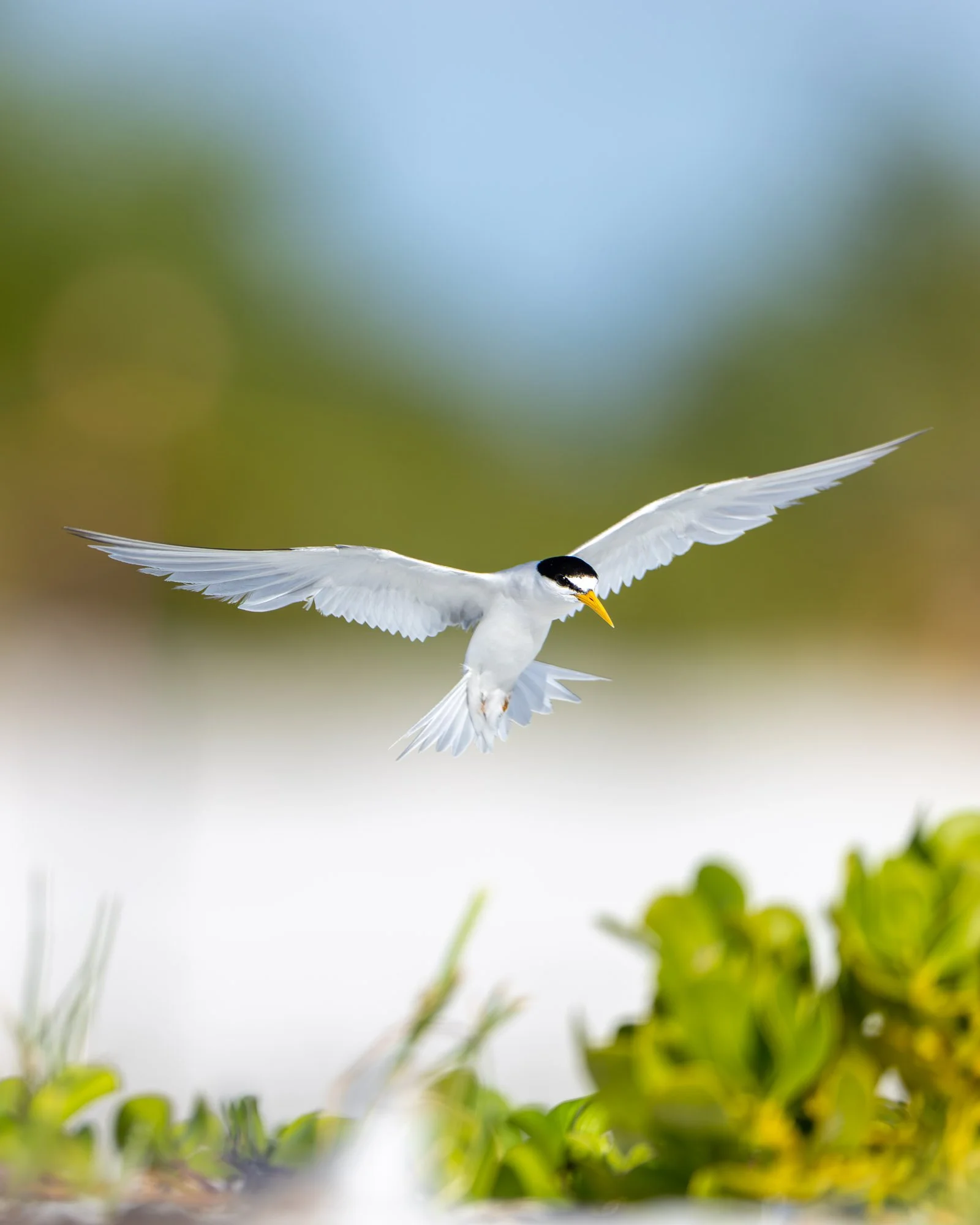
During my second week, I visited a new skimmer colony where a retreating high tide forced me to wade through knee-high water, holding a rented 400mm lens high above the water. Learning from local docents that high tides had already displaced some nests, I made a conscious effort to focus primarily on adult behaviors in the shallows instead to avoid causing any additional stress to the chicks. Capturing skimmers and terns bathing and skimming in the shallow, tide-formed pools became one of my favorite areas to focus on.
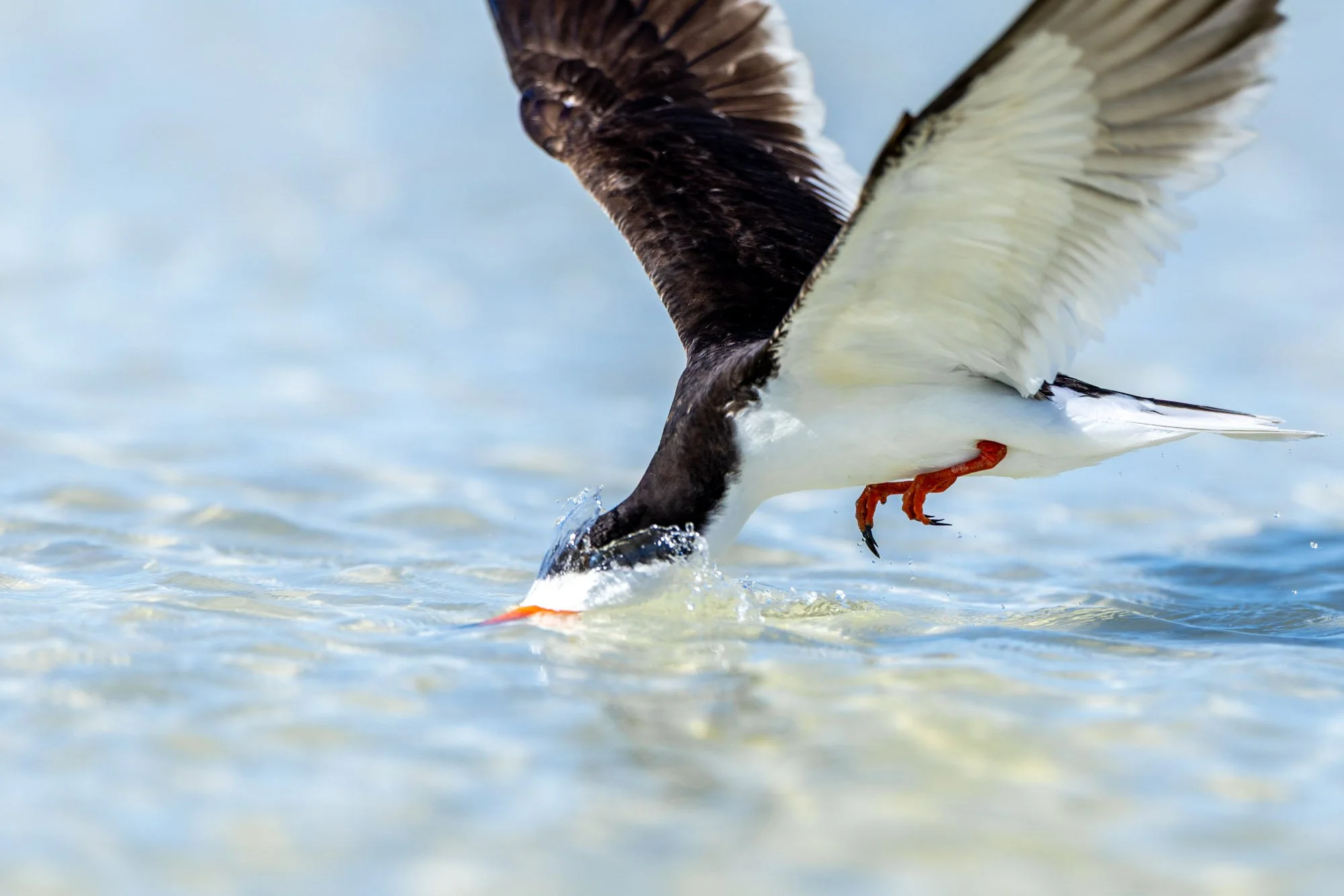
The Gear Journey: Finding the Right Lens
Documenting different colonies across multiple weeks and making sure to travel light (1 lens only per trip) gave me an opportunity to experiment with different lens setups to accompany my Canon EOS R5 Mark II:
Week 1 (RF 200–800mm): Provided incredible reach, but wanting a wider aperture to create a softer, more separated background behind the birds meant this lens would be left at home for my next trips.
Week 2 (Rented RF 400mm f/4): Produced stunning background separation and image sharpness, though hauling a heavy prime lens across deep, hot Florida sand was quite a workout! I had only rented it for the weekend so that meant I had to look to my other lenses for future weeks.
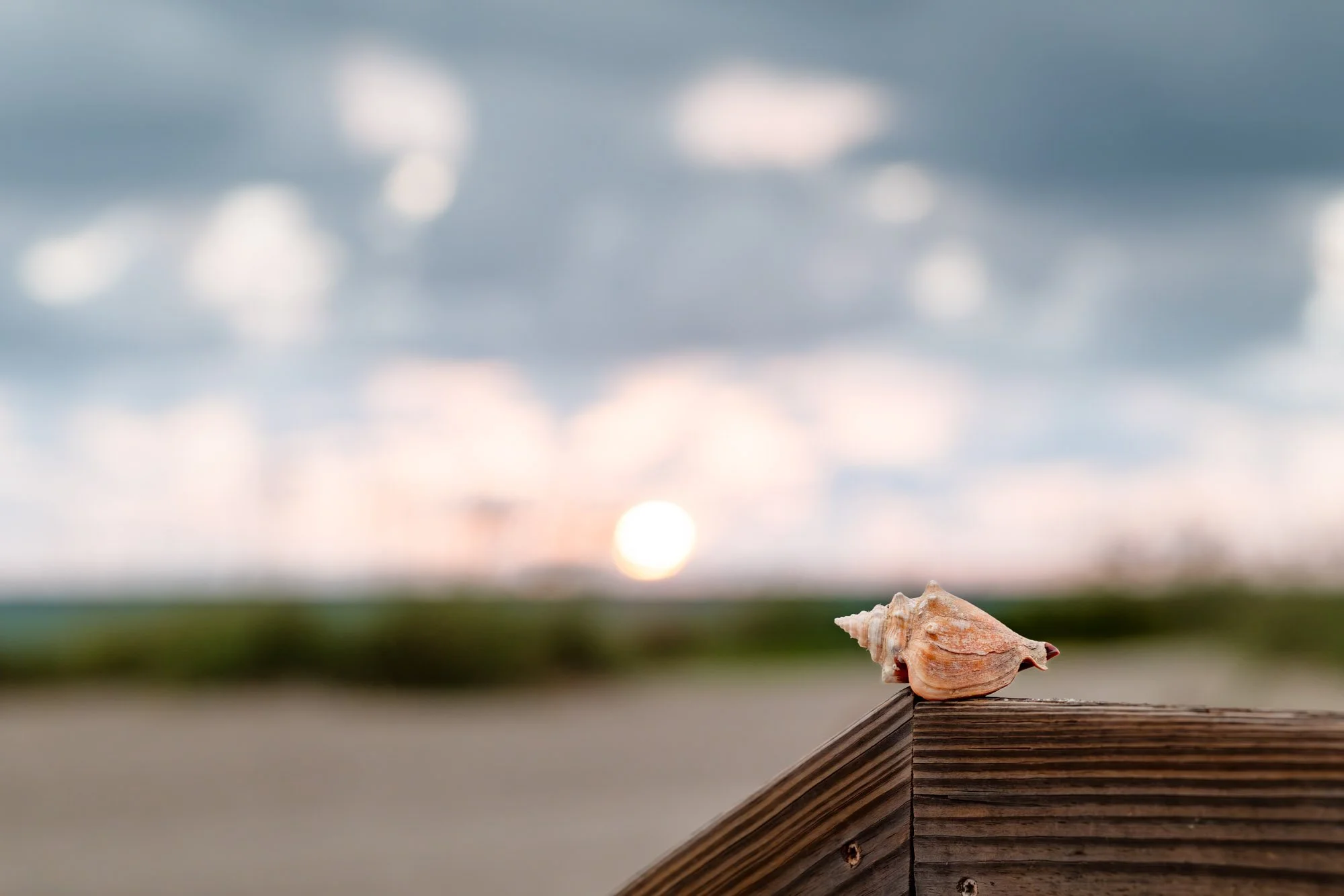
Week 3 (RF 70–200mm): A lighter setup and a new beach that was a bust for birds, so this outing turned into a relaxing shelling walk.
Weeks 4 & 5 (RF 100–500mm): Knowing I was pleased with the frames I was able to compose with the 400mm lens, this ended up being the ultimate sweet spot, allowing me to quickly frame wide environmental shots or zoom in on delicate behaviors.
A July Transformation: Watching the Next Generation
After taking a brief break over the 4th of July weekend to avoid peak holiday beach crowds, I returned to the shoreline in mid-July. The transformation in just two weeks was really a joy to witness.
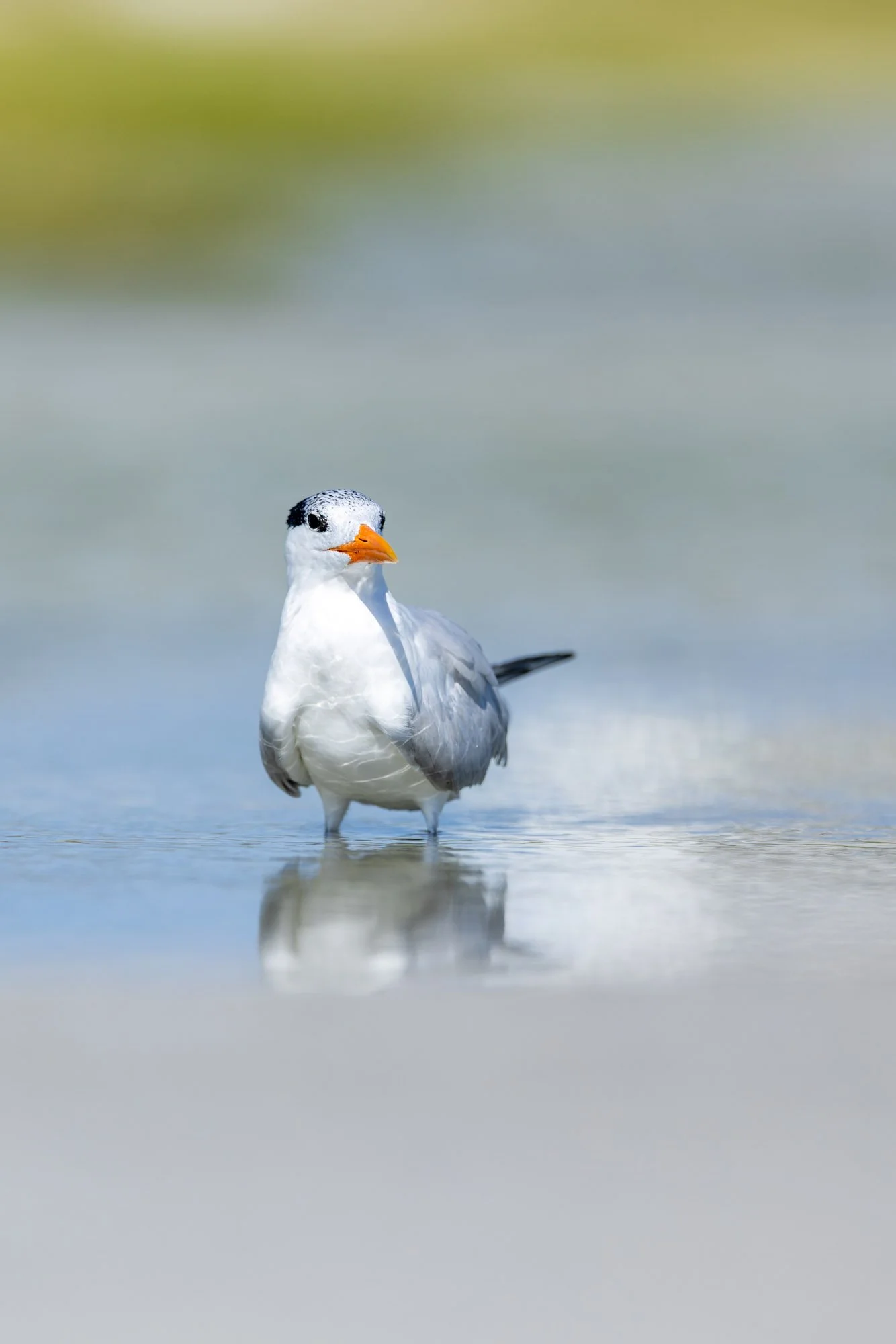
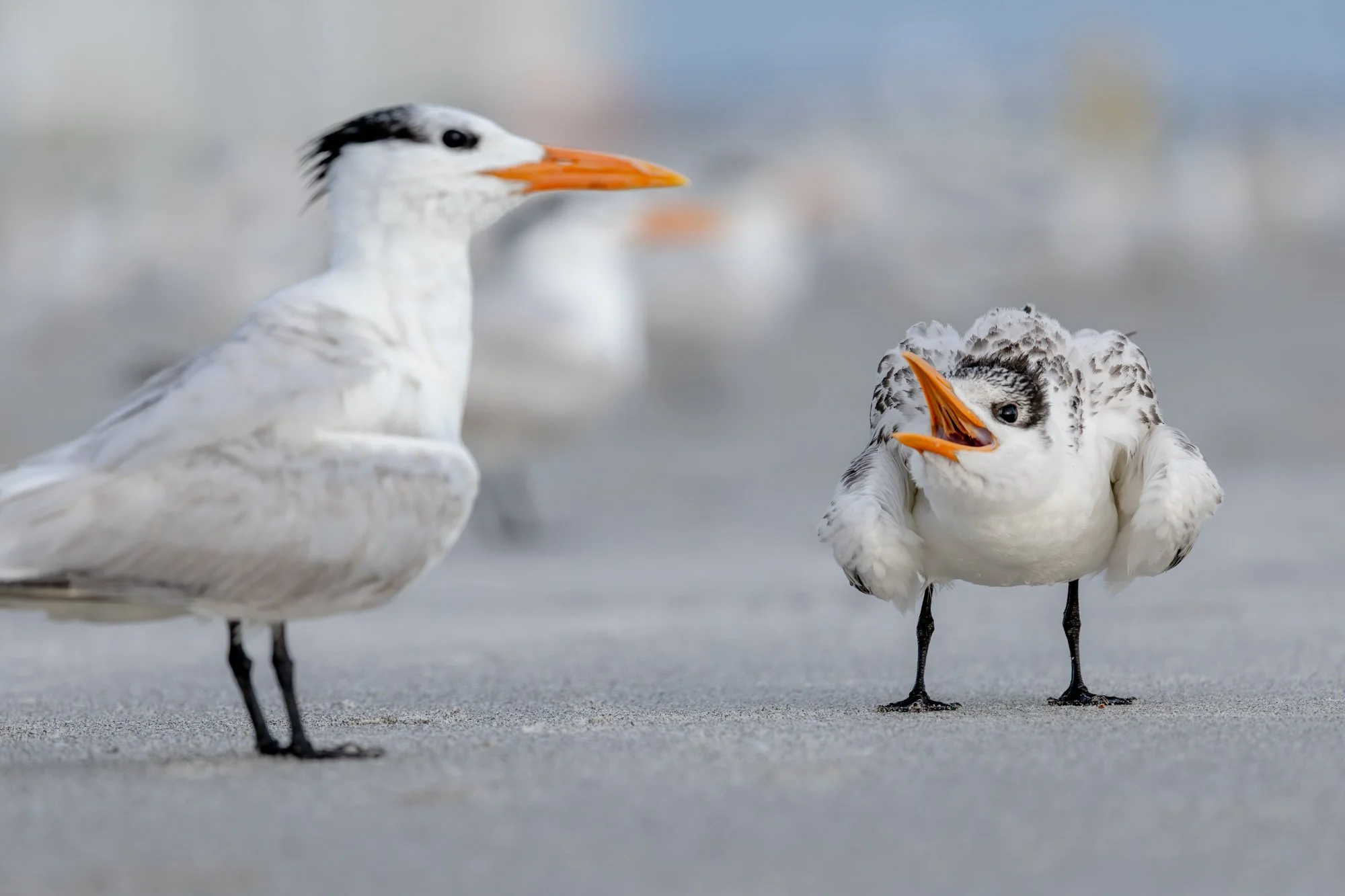
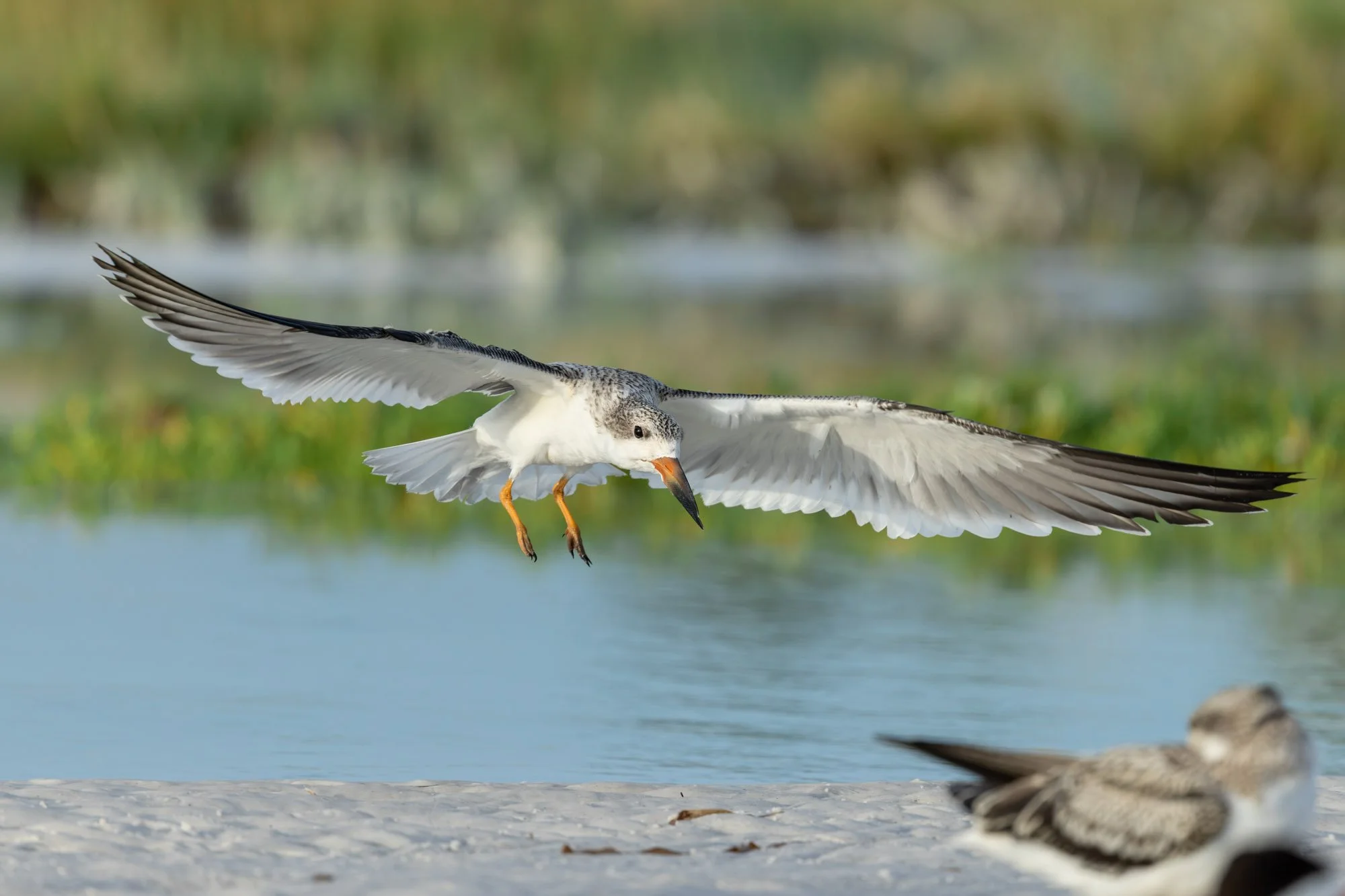
A group of Royal Terns had joined the skimmers along the water's edge, and the Black Skimmer chicks that were helpless, little fluff balls just a month prior were now taking flight! Watching the month or two-old juvenile skimmers practice their signature skimming technique in the shallow waters was the perfect ending to my summer photographing the nesting shorebird colonies. Meanwhile, their still devoted adult parents flew in with fish, often struggling to locate their now-mobile young among the bustling crowd.
Bringing the Marsh & Shore Home: Behind the Fine Art Print
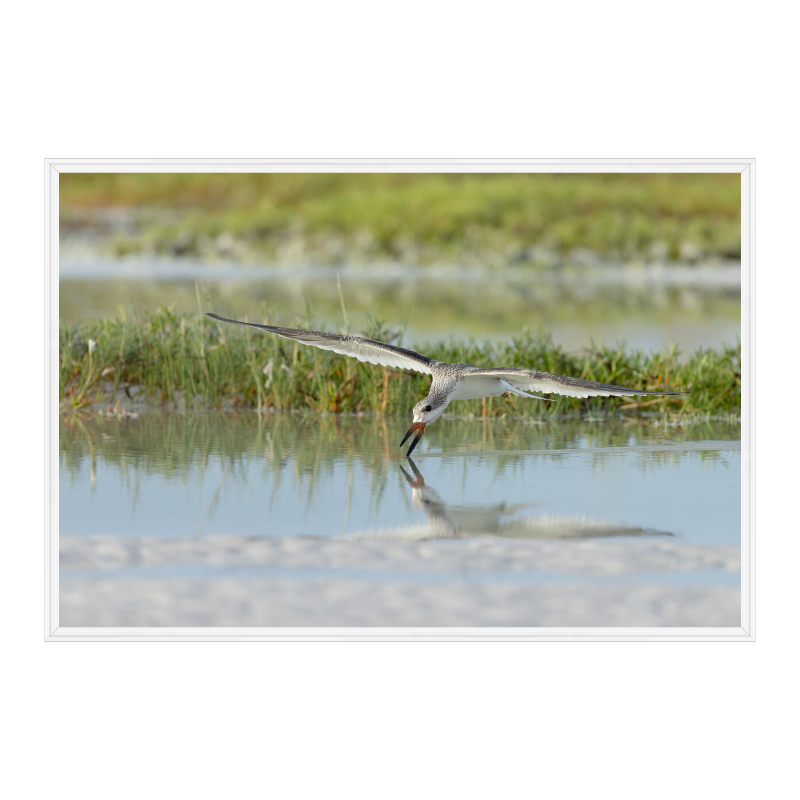
When selecting an image from this series to offer as a fine art coastal print in my shop, one frame ultimately stood out.
Rather than a tight, close-up bird portrait, I selected one that offered a more scenic, environmental landscape featuring one of the young juvenile Black Skimmers skimming across the glass like shallow tidal pools near the colony. At around 4 to 6 weeks old, this young bird had already mastered the iconic skills of its species. The image captures not just the bird, but the soft, golden light over the marsh grasses, the serene water reflection, and the delicate coastal environment these remarkable birds call home.
Explore the Gallery
Want to view the full collection of my favorite moments from the coast? Visit my Shorebird Gallery to see the full series or head over to the Shop to bring the resilient spirit of Florida's wildlife into your home.
Stay Connected: To receive exclusive behind-the-scenes field updates, wildlife photography tips, and early notifications for upcoming print releases, subscribe to the newsletter below!